Here’s What Homeowners Should Know
Your roof does more than keep the rain out. It also plays a role in how comfortable your home feels and how hard your HVAC system has to work.
So, can a new roof lower your energy bills? It can help, but a new roof isn’t a magic switch that automatically makes every home more efficient. Your entire roofing and attic system matters.
How Your Roof Plays a Role in Your Home’s Overall Energy Efficiency
Your roof is one part of the system that separates your living space from the outdoor elements. When that system isn’t performing properly, your home can have a harder time staying comfortable.
The condition of the roof, insulation, ventilation, and other parts of the building envelope can all affect how heat moves through your home.
During a hot Ohio summer, your roof is exposed to hours of sunlight and heat. In the winter, the roof and attic are part of the barrier between your heated home and the cold outside air.
A properly installed roofing system can help your home manage those temperature changes more effectively.
Why Does Attic Ventilation Matter?
Attic ventilation is an important part of the roofing system, but it’s something many homeowners don’t think about until there’s a problem.
Proper ventilation allows air to move through the attic and helps manage heat and moisture. Without adequate ventilation, excess heat and moisture can build up in the attic, which can affect both comfort and the condition of roofing materials.
Ventilation isn’t simply about adding a vent wherever there’s room for one. The system needs to be properly designed and balanced for the home.
If you’re replacing a roof, it’s worth asking whether the existing attic ventilation is working properly and whether improvements are needed.
How Do Roofing Materials Affect Heat Absorption?
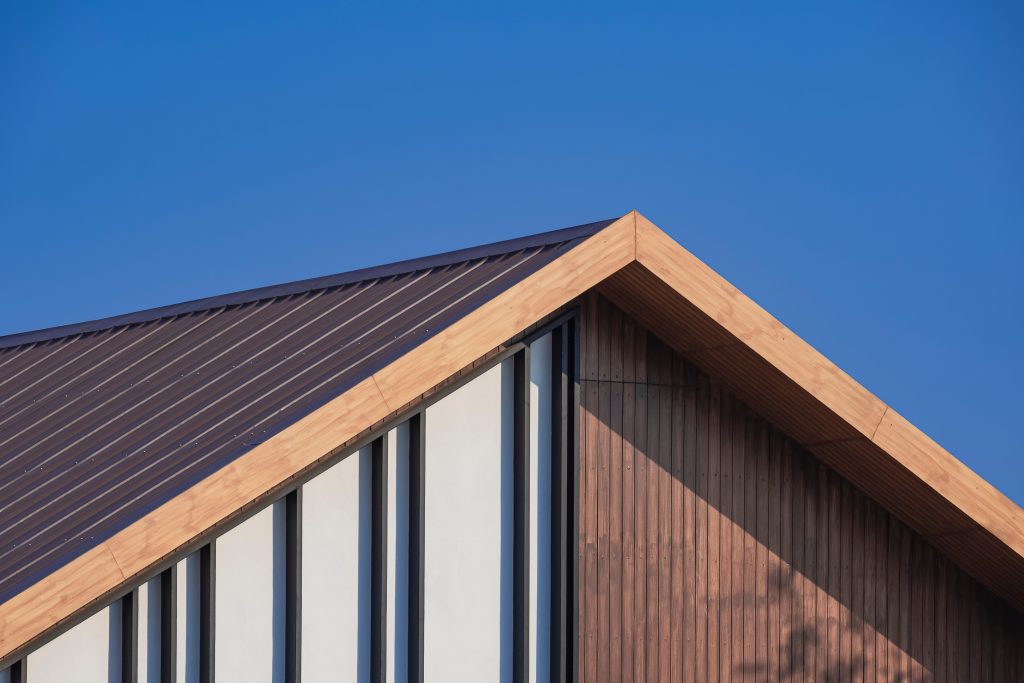
The roofing material and its color can influence how much heat the roof absorbs or reflects. Metal roofing typically reflects more sunlight than traditional asphalt shingles, especially when it has a light-colored or reflective finish. It also releases absorbed heat more quickly, which can help keep the roof surface cooler.
Asphalt shingles tend to absorb more heat, particularly when they are dark in color. Lighter-colored shingles can reflect more sunlight and may help reduce heat absorption. Both metal and shingle roofs are available in different colors and styles, so the material, color, ventilation, and insulation can all affect how warm the roof and attic become during hot weather.
The potential energy savings depend on factors such as your climate, attic insulation, ventilation, roof design, and the type of roofing system. The right material and color should also fit your home’s style, budget, and overall roofing needs.
Why a New Roof Alone Isn’t Necessarily Going to Dramatically Lower Everyone’s Energy Bills
It’s important to keep expectations realistic.
If your existing roof is damaged or your roofing system has ventilation problems, replacing or improving it may contribute to better efficiency and comfort. But if the rest of the home has underlying efficiency concerns, a new roof alone may not make a dramatic difference in your energy bills.
Your roof is one piece of the puzzle. There are several other factors that can have a major impact on how much energy your home uses.
These include:
- Attic and wall insulation
- Windows and exterior doors
- Air sealing
- HVAC system efficiency
- Home size and layout
- Thermostat settings
- Weather and seasonal temperatures
- Roof and attic ventilation
That’s why it’s helpful to look at the home as a whole, instead of assuming the roof is the only source of energy loss.
How to Know if Roofing Issues May Be Contributing to Energy Loss
If your home feels unusually hot upstairs, has inconsistent temperatures, or your energy bills seem higher than expected, your roof and attic are worth looking at. These issues may be signs that roofing or attic problems are contributing to energy loss.
A professional can inspect the roofing system and look for issues such as inadequate ventilation, moisture problems, damaged roofing materials, or other conditions that could affect how the system performs. Identifying these problems can help you understand whether your roof may be affecting your home’s comfort and energy efficiency.
A More Comfortable, Efficient Home Starts at the Top
The right roofing system, combined with proper ventilation and insulation, can contribute to a more energy-efficient home.
At Ram Roofing, we help homeowners throughout Dayton and the Miami Valley evaluate their roofing and exterior needs. Our team can inspect your roof, identify potential issues, and help you understand whether roofing or ventilation improvements could benefit your home.
If you’re in Dayton, Oakwood, Springboro, Kettering, Centerville, Washington Twp., Beavercreek, Lebanon, Mason, Monroe, and the Greater Miami Valley, our goal is simple: to give you a clear picture of your roof so you can make an informed decision.
Book your free inspection: Call 937-882-5600 or schedule online at www.ramroofingusa.com/book-an-appointment/
Everything under one roof.