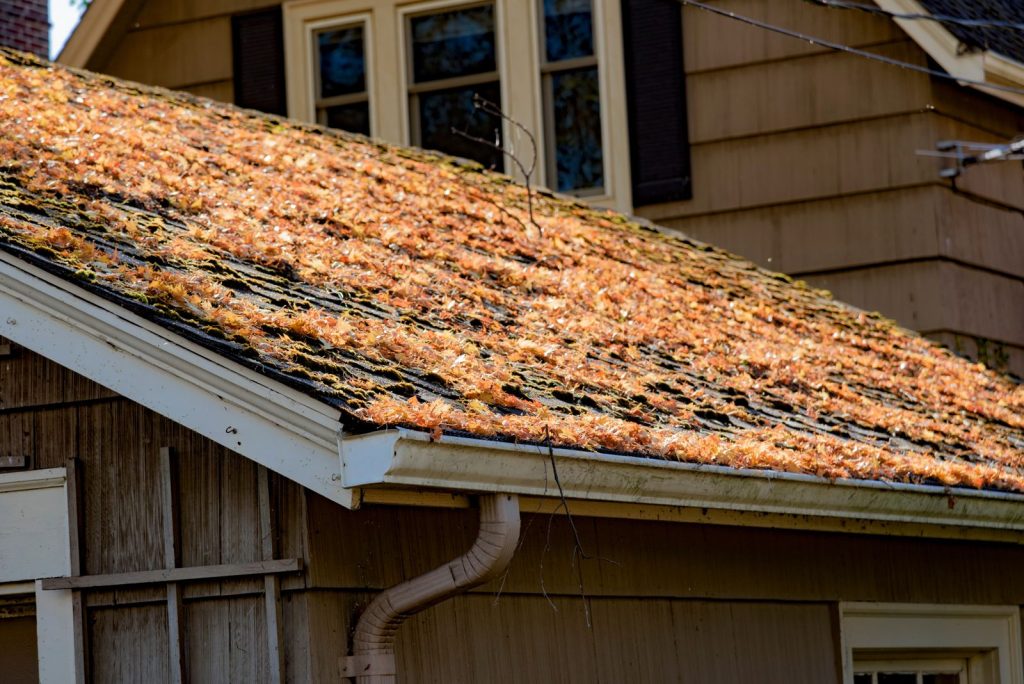
The simple version: in October or November, get your roof inspected. Check your shingles, flashing, gutters and attic. Fix anything loose, cracked or clogged before the first hard freeze. A roof that goes into winter in good shape is far less likely to leak when snow and ice sit on it for day or weeks.
Fall is the last good window to fix a roof before Ohio winter shows up. Once the snow starts and the temperatures drop, small problems get bigger and repairs get harder to schedule.
When should you inspect your roof in the fall?
The best time for a fall roof inspection in the Dayton area is after most of the leaves have dropped but before the first heavy snow, usually late October through November. That timing lets you clear the gutters once and still have time to make repairs in mild weather.
If your home was affected by any big storms that came through over the summer, don’t wait; get it checked soon.
The fall roof inspection checklist
Much of this can be done from the ground with a pair of binoculars. Leave anything on the roof itself to a roofer.
Shingles
- Missing, cracked or curled shingles
- Dark spots or bald patches where granules are gone
- Lifted or creased shingles along edges and the ridge
- Moss or algae growth, especially on shaded sides
Flashing and roof penetrations
- Loose or rusted flashing around the chimney
- Cracked rubber boots around plumbing vents
- Gaps around skylights and roof vents
Gutters and downspouts
- Gutters clear of leaves and debris
- Downspouts flowing and pointed away from the foundation
- Gutters firmly attached, not sagging or pulling away
- Granules collecting in the gutters, a sign of worn shingles
Attic and interior
- Water stains or damp spots in the attic
- Daylight showing through the roof boards
- Insulation that’s thin, wet or packed down
- Clear soffit vents so air can move through the attic
- Ceiling stains on the top floor
Around the house
- Tree branches hanging over or touching the roof
- Dead limbs that could fall under snow or ice
Why gutters and attics matter so much in winter
Clogged gutters are one of the biggest causes of winter roof trouble. When water can’t drain, it backs up, freezes at the roof edge and can push under the shingles. That’s how many ice dams start.
The attic matters just as much. Poor insulation and blocked vents let heat escape into the attic, which melts snow on the roof from underneath. That melt water runs down to the cold edge and refreezes. Good ventilation and insulation keep the roof deck cold and the snow where it belongs.
What to fix before winter and what can wait
Fix anything that lets water in now. That includes missing shingles, cracked vent boots, loose flashing, and clogged gutters. These are usually quick repairs in the fall and much harder to deal with in January.
Cosmetic items like light algae streaks can usually wait for spring. If the inspection turns up widespread wear on an older roof, fall is a good time to start planning a replacement, even if the work happens later.
Ram Roofing does roof inspections, repairs and gutter work for homes across Dayton and the Miami Valley, so you can head into winter knowing where your roof stands.
Frequently asked questions
How often should a roof be inspected? At least once a year, and after any major storm. Fall is a smart time because it lets you fix problems before winter.
Can I inspect my own roof? You can check a lot from the ground and the attic. Leave climbing on the roof to a professional, since falls are a real risk.
What happens if I skip a fall inspection? Small issues like a cracked vent boot or clogged gutter can turn into leaks, ice dams and interior damage once snow and freezing weather arrive.
Head into winter with a sound roof
A little attention in the fall saves a lot of trouble in the winter. If you’d rather have a pro walk the roof, we’re glad to help. Call Ram Roofing at 937-882-5600 or visit www.ramroofingusa.com